A design system is a collection of elements that ensure brand consistency and uniformity. It serves as a guideline containing everything from color and typography tokens to interface components. Essentially, it empowers designers and developers to create standardized and visually coherent user experiences. In this article, we will explore five design system examples.
Top 5 Design System Examples
Introduction Distinguished companies like Google and Apple publish their design systems to give access to designers and developers. This is a list of what we believe are the top 5 examples.
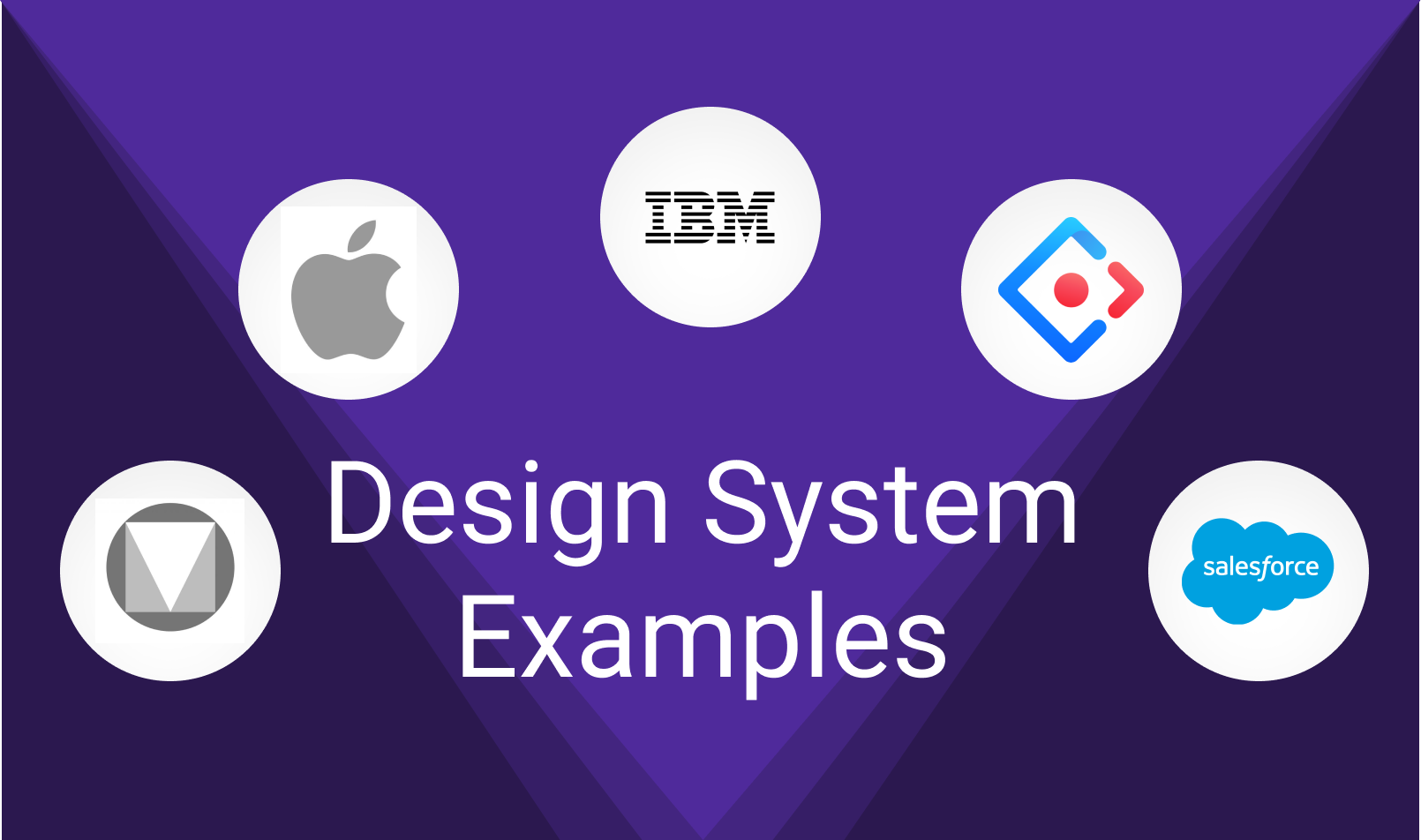
- Material Design by Google
- Apple’s Human Interface Guidelines
- IBM Design Language
- Ant Design
- Salesforce’s Lightning Design System
1. Material Design by Google
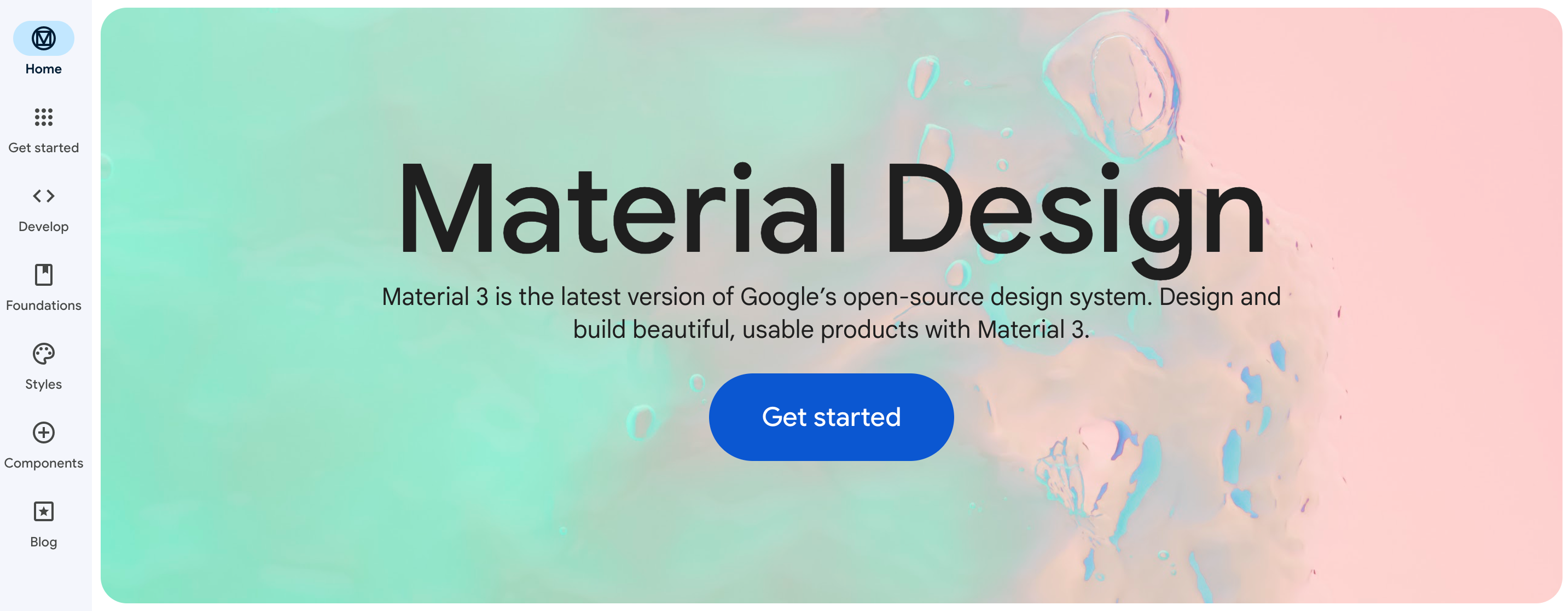
Material design is one of the most iconic design system example in the tech world. It emphasizes a real-world experience on how objects reflect light by the use of shadows, animations and transitions. The objective is to offer a seamless user experience across different platforms. In 2018, Material Theming was introduced to allow designers style components to fit their brand and products needs. It has played a fundamental role in creating the visual identity of heaps of Google products.
2. Apple’s Human Interface Guidelines
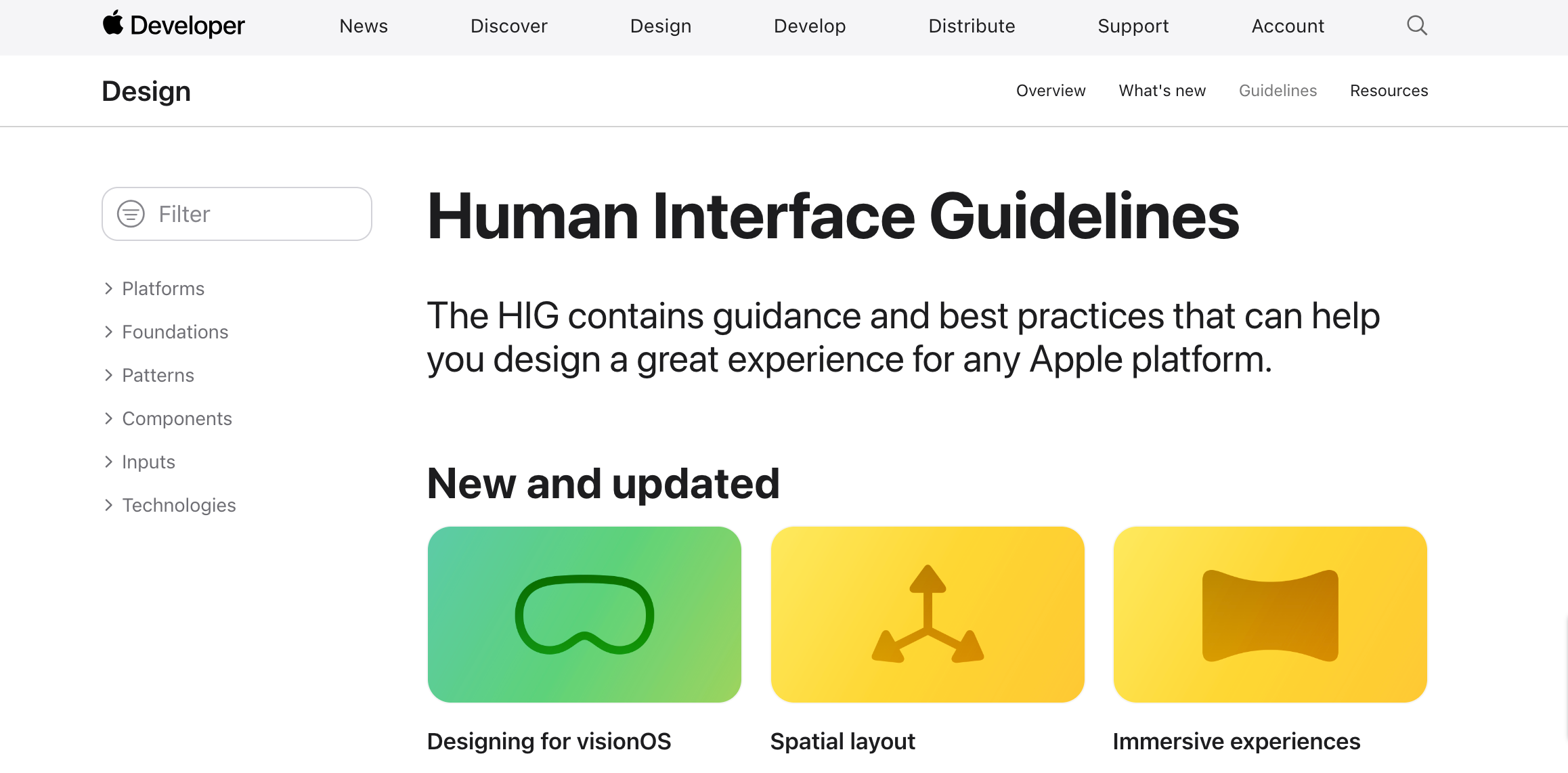
Apple’s Human Interface Guidelines is the head of the user experience for Apple’s apps and products. This design system incorporate simplicity, elegance, and intuitive navigation. It lays out principles for creating user interfaces that feel harmonious between all Apple applications.
3. IBM Design Language
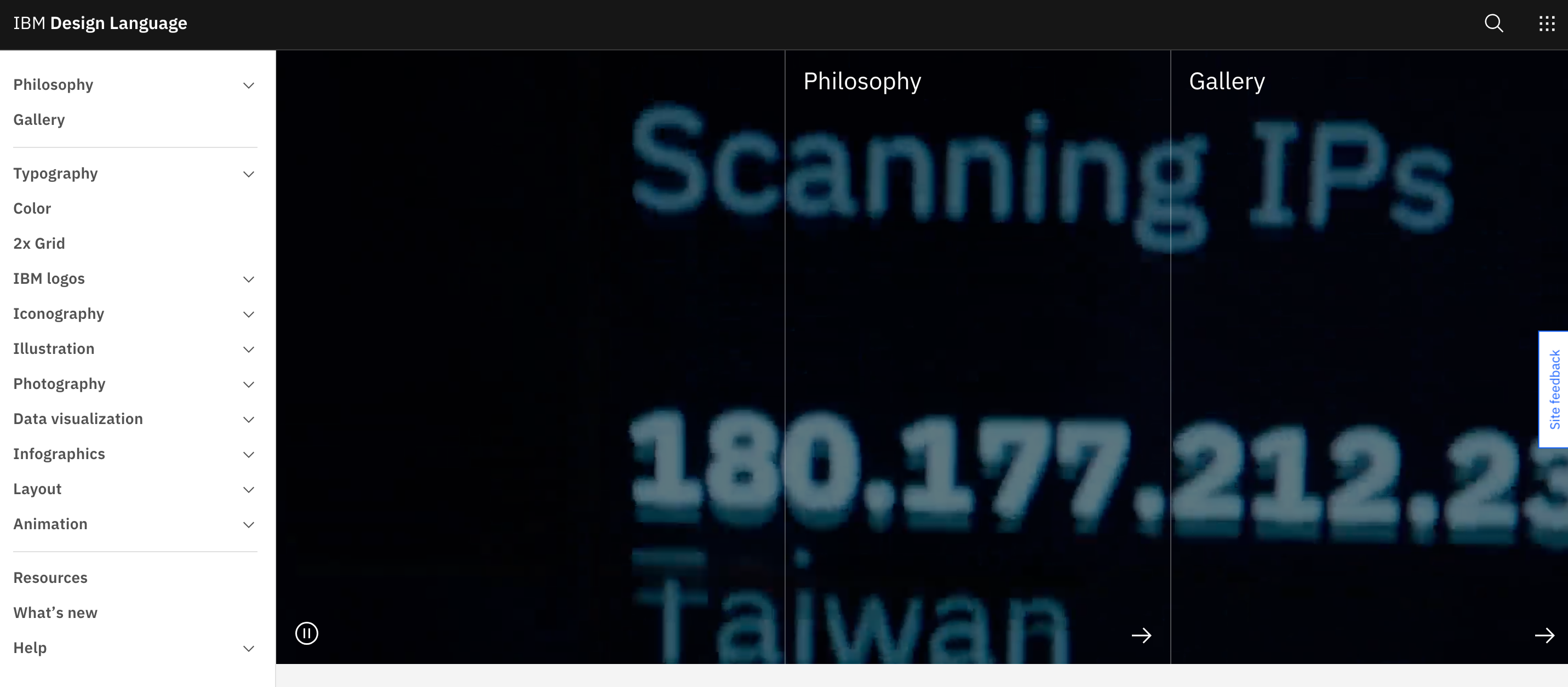
IBM’s Design Language is an open source known for its emphasis on accessibility, inclusivity, and usability. It is called Carbon Design System because carbon element in nature builds complex structures from simpler compounds. It places special emphasis on modular and scalable design components, allowing for consistent and efficient development across various projects. IBM’s approach to design basic elements so that developers and designers can start working in pre-built assets, minimizing time spending.
4. Ant Design
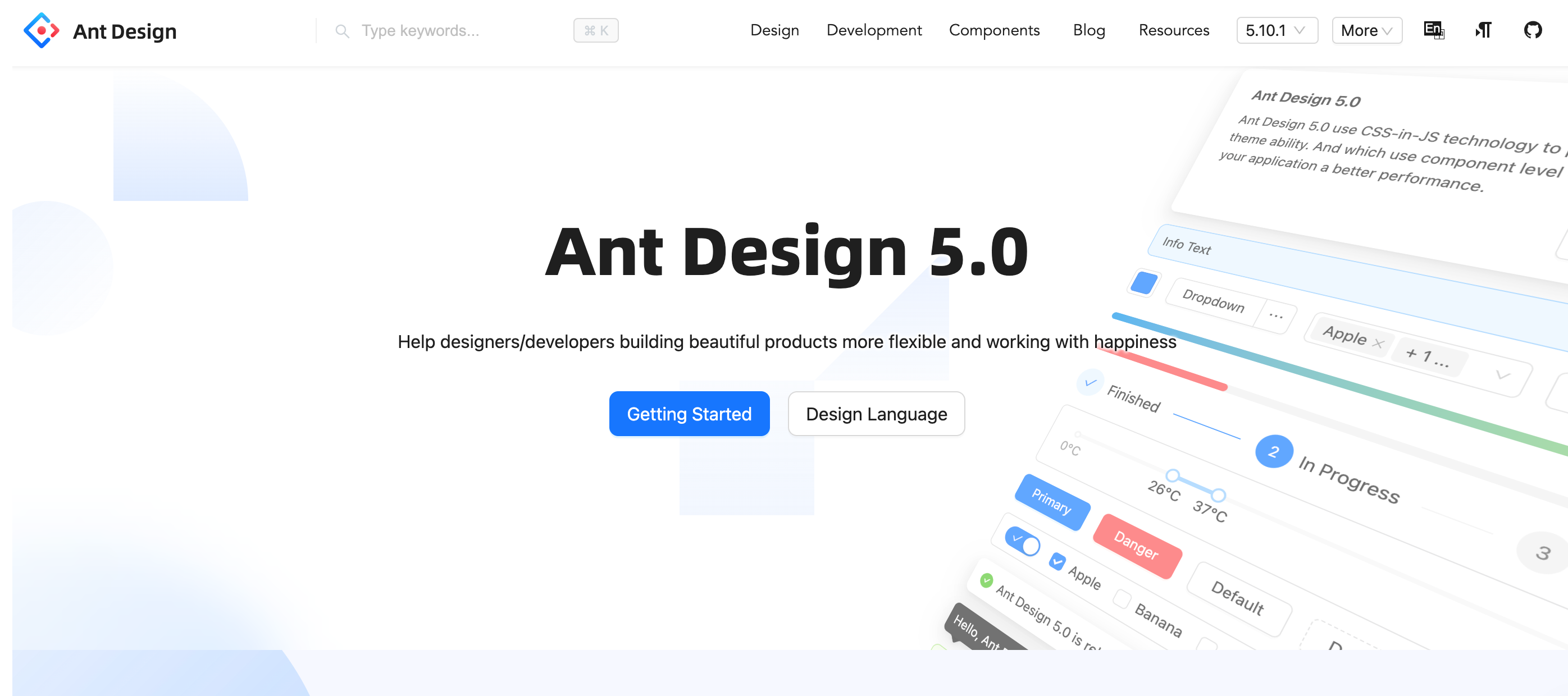
Ant Design is a React component library created with the aim of helping developers create user-friendly interfaces with the use of highly reusable components. One of its main objective is to solve design issues in enterprise products. Design patterns can be used to start any projects and achieve a business look alike solution.
5. Salesforce’s Lightning Design System
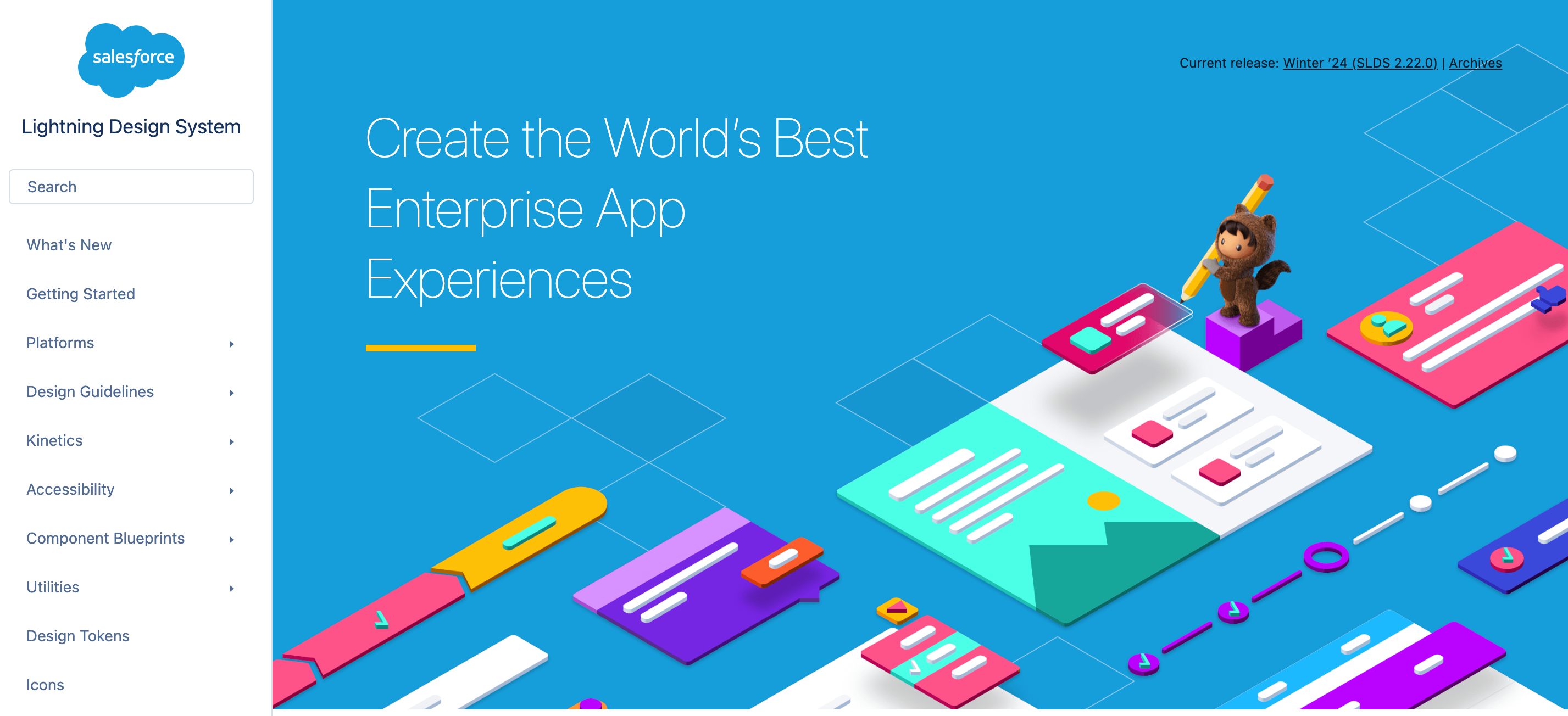
Salesforce’s Lightning Design System is one of the first systems to use design tokens to store visual attributes like color, font size and spacing to be applied in components to be used in the different platforms. The system emphasizes efficiency, with a library of pre-built components that can be easily integrated into different projects.
Last Words
Design systems enable companies to maintain brand integrity, streamline development, and deliver exceptional user interfaces. It also help companies maintain a brand concept unified between platforms. By studying these industry leaders, designers and developers alike can draw inspiration to create design systems that not only captivate users but also elevate their overall experience.